
Carbon Fiber vs Fiberglass vs Graphite Pickleball Paddles (2027)
The face material is the part of the paddle that touches the ball. It has a huge effect on spin, power and feel. Here’s how carbon fiber, fiberglass and graphite compare.
Quick answer
Carbon fiber gives the most spin and control and is used on almost every premium paddle, especially in its raw, textured form. Fiberglass is cheaper and adds easy power through flex, but offers less control and spin. Graphite is a thin, light form of carbon that feels crisp and controlled but usually has less texture than raw carbon. For most regular players, raw carbon fiber is the best choice.
Why face material matters
The face is the only part of the paddle that touches the ball. Its material and texture affect how much spin you can generate, how the ball comes off the paddle, how much control you have on soft shots and how long the paddle keeps its performance. Face material is also one of the biggest reasons some paddles cost five times more than others.
The three main face materials at a glance
| Carbon fiber | Fiberglass | Graphite | |
|---|---|---|---|
| Spin | Highest (raw / textured) | Low to medium | Medium |
| Power | Medium (depends on build) | High (more flex) | Medium |
| Control | High | Lower | High |
| Feel | Stiff, precise | Springy, lively | Crisp, light |
| Durability | High | Medium | Medium |
| Typical price | $100–$300 | $30–$100 | $50–$150 |
| Common on | Premium paddles | Budget and power paddles | Mid-range paddles |
Carbon fiber pickleball paddles
Carbon fiber is made from extremely thin strands of carbon woven into sheets and bonded with resin. It is very stiff for its weight, which means it spreads the impact of the ball across the face rather than flexing much. That stiffness gives a precise, controlled feel: the ball goes where you aim.
Raw carbon fiber
The biggest development in paddle faces over recent years is raw carbon fiber. Instead of covering the carbon with a smooth coating or graphic layer, manufacturers leave the carbon texture exposed or add a gritty finish. That texture grabs the ball at contact and dramatically increases spin.
With a raw carbon face, topspin drives dip into the court, roll volleys curve down at opponents’ feet and slice serves skid. This is why almost every paddle in our ranking of the most expensive pickleball paddles uses raw or textured carbon.
Carbon grades and named weaves
You will often see carbon grades such as T300 and T700 on paddle listings. T700 has higher tensile strength and is generally more durable. Learn more in T700 carbon fiber explained. Big brands often use their own named carbon faces instead, such as Selkirk’s Florek carbon on the LUXX Control or JOOLA’s raw textured carbon on the Pro V.
Pros and cons of carbon fiber
Pros
- Highest spin potential (raw / textured)
- Precise, controlled feel
- Durable and stiff
- Used by most premium and pro paddles
Cons
- More expensive
- Less natural “trampoline” power than fiberglass
- Texture can wear smooth over time
Fiberglass pickleball paddles
Fiberglass (often called composite) is made from woven glass fibers bonded with resin. It is more flexible than carbon. When the ball hits a fiberglass face, the face flexes slightly and springs back, adding pace. That is why fiberglass paddles often feel powerful and lively.
The trade-off is control. Because the face flexes more, the ball can come off less predictably, especially on soft shots. Fiberglass faces are also usually smoother and lose texture faster, so spin is lower.
Fiberglass is cheaper to produce, which is why most budget paddles use it. Some designer paddles also use fiberglass: the Versace pickleball set, for example, features fiberglass paddles.
Pros and cons of fiberglass
Pros
- Easy power from face flex
- Affordable
- Forgiving for beginners
Cons
- Less control on soft shots
- Lower spin
- Texture wears faster
Graphite pickleball paddles
Graphite is a form of carbon, usually applied as a very thin sheet over the core. Graphite paddles are light and stiff, with a crisp, responsive feel and good control. For many years, graphite was the premium choice.
The difference from modern raw carbon fiber is mainly texture. Graphite faces are often smoother, so they produce less spin. Today, raw carbon fiber has largely replaced graphite on high-end paddles, while graphite remains common in the mid-range.
Graphite vs carbon fiber pickleball paddles
| Graphite | Raw carbon fiber | |
|---|---|---|
| Material | Thin carbon sheet | Woven carbon, often textured |
| Weight | Very light | Light |
| Feel | Crisp | Stiff, precise |
| Spin | Medium | High to very high |
| Price | Mid-range | Mid-range to premium |
If spin matters to you, choose raw carbon fiber. If you want a light, crisp paddle at a lower price, graphite is still a good option.
Hybrid faces
Some paddles blend materials. A carbon-fiberglass hybrid, for example, can combine carbon’s control with fiberglass’s pop. The Selkirk SLK ERA Power uses a carbon fiber hybrid face for lively power. A few boutique paddles add Kevlar for toughness and vibration dampening.
How face material affects each shot
| Shot | Carbon fiber | Fiberglass | Graphite |
|---|---|---|---|
| Serve | Spin and placement | Pace | Placement |
| Drive | Topspin, dips into court | Fast, can sail | Crisp |
| Third-shot drop | Controlled | Harder to keep soft | Controlled |
| Dink | Spin and touch | Lively | Touch |
| Roll volley | Excellent | Limited spin | Moderate |
| Block | Stable | Can pop up | Stable |
Which face material should you choose?
- Beginners on a budget: fiberglass or graphite. Both are affordable and forgiving.
- Improving players who want spin: raw carbon fiber.
- Control and soft-game players: carbon fiber.
- Players who want easy power without big swings: fiberglass or a carbon-fiberglass hybrid.
- Advanced and competitive players: raw carbon fiber, matched with the right core.
Remember that face material works together with the core and construction. A raw carbon face on a thin core plays very differently from the same face on a foam core. See foam core vs honeycomb and thermoformed paddles.
A short history of paddle faces
Paddle faces have evolved alongside the sport. Early paddles were plain wood. Composite paddles with fiberglass faces arrived next, bringing lighter weights and more power. Graphite became the premium standard for many years thanks to its crisp, controlled feel. Then raw carbon fiber changed the game by adding texture that grips the ball, and spin became a central part of high-level play. Today, brands continue to experiment with carbon weaves, grit finishes, hybrids and materials like Kevlar.
How spin works on a paddle face
Spin comes from friction between the ball and the paddle face during the brief moment of contact. A textured face increases that friction, letting you impart more rotation with the same swing. That rotation changes the ball’s flight: topspin makes it dip, backspin makes it float and skid, and sidespin makes it curve.
USA Pickleball limits how rough a face can be, so all approved paddles stay within a defined range. Within that range, raw carbon faces sit at the higher end of grip, which is why they are so popular with spin-focused players.
Does the face texture wear off?
Yes. Over months of play, contact with the ball and cleaning gradually smooths the texture. Spin drops slowly, so many players do not notice until their rolls and serves stop biting. Higher-grade carbon tends to hold texture longer than budget faces. Regular gentle cleaning helps, and when spin has clearly faded, it may be time for a new paddle. Read How Long Does a Pickleball Paddle Last?
Common myths about face materials
- “Fiberglass is always more powerful.” It often feels livelier, but thermoformed carbon paddles can be just as powerful.
- “All carbon paddles are the same.” Carbon grade, weave, texture and the core underneath all change the feel.
- “More grit is always better.” Very gritty faces can wear faster and must stay within approved limits. Spin also depends on technique.
Best carbon fiber pickleball paddles

JOOLA Pro V (Perseus)
★ 4.4 · 162 Amazon reviewsRaw textured carbon face with KineticFrame.

Selkirk LUXX Control
★ 4.4 · 598 Amazon reviewsFlorek carbon for a soft, connected feel.

CRBN TruFoam Genesis
★ 4.5 · 135 Amazon reviewsCarbon face on a foam core.

Six Zero Double Black Diamond Control
★ 4.6 · 26 Amazon reviewsRaw carbon control paddle.
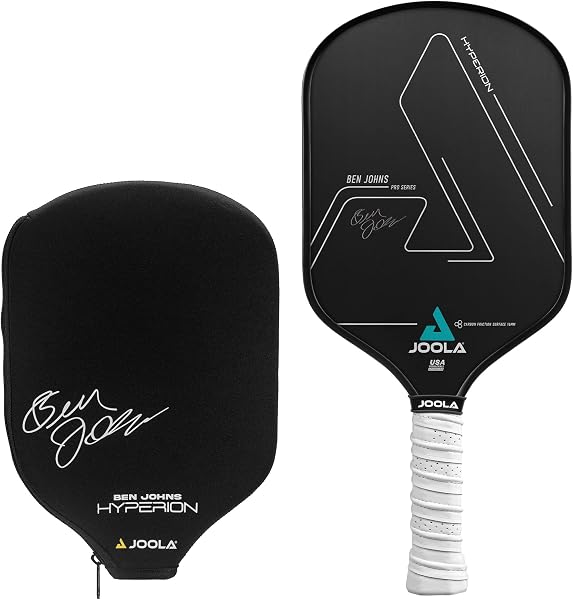
JOOLA Ben Johns Hyperion CFS
★ 4.4 · 283 Amazon reviewsCarbon friction surface for spin.
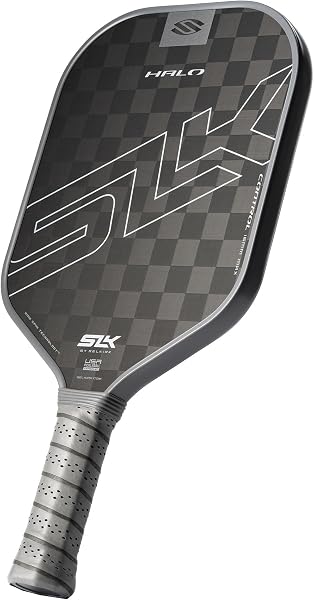
Selkirk SLK Halo
★ 4.7 · 141 Amazon reviewsT700 raw carbon at a value price.
Carbon vs fiberglass by player level
| Level | Recommended face | Why |
|---|---|---|
| Beginner | Fiberglass or graphite | Affordable, forgiving, easy power |
| 3.0–3.5 | Raw carbon (mid-range) | Learn spin shots with better control |
| 3.5–4.5 | Raw carbon (premium) | Spin and precision for competitive play |
| 4.5+ | Raw carbon, tuned to style | Maximum spin and control |
Upgrading from fiberglass to carbon
When you first switch from a fiberglass paddle to raw carbon, expect two things. Your shots will have noticeably more spin, so drives may dip into the net until you adjust your swing path and targets. And the paddle may feel slightly less powerful on soft swings because the face flexes less. Give it a few sessions: most players quickly find they can hit harder with more confidence because the extra spin keeps the ball in.
How to care for a carbon face
Raw carbon faces are the source of spin, so look after them:
- Clean the face with a damp microfiber cloth after play.
- Use a dedicated paddle eraser occasionally to remove ball residue and restore grip.
- Avoid harsh chemicals and abrasive pads.
- Store the paddle in a cover to protect the texture.
Is carbon fiber legal in tournaments?
Yes. USA Pickleball sets limits on surface roughness, and approved paddles stay within those limits. Always check that your specific paddle model is on the approved list before sanctioned play.
How to read a paddle listing
When you shop online, face material descriptions can be confusing. Look for specific phrases: “raw carbon fiber”, “textured carbon”, “T700” or a named weave usually indicate a premium carbon face. “Composite” usually means fiberglass. “Graphite” means a thin carbon sheet. If a listing only says “carbon” without detail and the price is very low, check the reviews carefully before buying.
Whatever you choose, match the face to your style and pair it with the right core. The best paddle is always the one that suits the way you play.
If you are still unsure, start with a mid-range raw carbon paddle and upgrade once you know your style.
Key takeaways
- Raw carbon fiber offers the most spin and control.
- Fiberglass is cheaper and gives easy power through flex.
- Graphite is light and crisp but usually less textured than raw carbon.
- Face material works together with the core; judge them as a pair.
- Clean carbon faces gently to preserve their spin-producing texture.
- Upgrading from fiberglass to carbon is one of the most noticeable changes a player can make.
The bottom line
Carbon fiber, especially raw carbon fiber, is the best face material for spin and control and the standard on premium paddles. Fiberglass is a good, affordable choice for beginners and players who want easy power. Graphite sits in between. For most regular players looking to improve, a raw carbon paddle is one of the most noticeable upgrades you can make. See the best options in our ranking of the 10 most expensive pickleball paddles and read cheap vs expensive paddles.
Frequently Asked Questions
Is carbon fiber better than fiberglass for pickleball?
For spin and control, yes. Fiberglass offers easier power at a lower price but less control.
Is graphite the same as carbon fiber?
Graphite is a form of carbon, usually in thin, smoother sheets. Raw carbon fiber has more texture and generates more spin.
What is raw carbon fiber?
An exposed or textured carbon face that grips the ball for heavy spin.
What is the best carbon fiber pickleball paddle?
The JOOLA Pro V is our top pick; the Selkirk LUXX Control is best for control and the Selkirk SLK Halo is best on a budget.
Are fiberglass paddles good for beginners?
Yes. They are affordable, forgiving and offer easy power.