
How Long Does a Pickleball Paddle Last? (And When to Replace It)
Pickleball paddles do wear out, even expensive ones. Here’s how long you can expect yours to last, the warning signs it’s time for a new one, and how to make it last longer.
Quick answer
With regular play (two to four times a week), most pickleball paddles last 6 to 12 months before performance noticeably drops. Budget fiberglass paddles may last only 3–6 months, while premium carbon and foam-core paddles can last 12–18 months or more. Casual players who play once a week or less can often use the same paddle for several years.
Average pickleball paddle lifespan by type
How long your paddle lasts depends on what it is made of, how often you play and how hard you hit. Here are typical ranges.
| Paddle type | Regular play (2–4x/week) | Casual play (≤1x/week) |
|---|---|---|
| Wood | 1–2 years | Many years |
| Fiberglass / budget composite | 3–6 months | 1–2 years |
| Graphite | 6–9 months | 1–2 years |
| Carbon fiber, honeycomb core | 6–12 months | 2+ years |
| Carbon fiber, foam core | 12–18 months+ | 2–3+ years |
These are rough guides. A hard-hitting 4.5 player who drills daily can wear out a paddle much faster than a social player, and a well-cared-for paddle will always outlast one left in a hot car.
Do pickleball paddles wear out?
Yes. Even expensive paddles wear out. Three parts degrade over time.
The core
Most paddles use a polypropylene honeycomb core: thousands of small cells sandwiched between the faces. Every hard impact flexes those cells. Over months of play, some can compress or break. This is called core crush. It changes how the paddle plays, creating dead spots that feel soft and lifeless, or “hot” spots where the ball suddenly flies off the face.
Foam cores work differently. Paddles like the CRBN TruFoam Genesis use a solid foam core designed to avoid core crush and stay consistent. Learn more in foam core vs honeycomb.
The face texture
The gritty texture on carbon and fiberglass faces is what creates spin. With use, ball contact and cleaning slowly polish that texture smooth. Spin drops gradually, so many players do not notice until their rolls and serves stop biting. Raw carbon faces, especially higher-grade carbon, tend to hold texture longer than budget faces.
The edge guard, handle and grip
Edge guards chip when they hit the court, fences or your partner’s paddle. Grips lose their tack and cushioning. These are easier to fix than a worn core: overgrips are cheap, and minor edge damage is usually cosmetic.
Signs it is time to replace your pickleball paddle
- Dead spots. Tap the face lightly with your knuckle across the surface. A noticeably duller sound in one area can indicate a crushed core.
- Sudden extra pop. Some paddles get “hotter” as the core breaks down, sending balls long that used to land in.
- Less spin. If your topspin drives, rolls and cut serves stop grabbing, the face texture may be worn.
- Visible cracks or delamination. Any crack in the face, bubble or separation between face and core means the paddle is damaged.
- Rattling. Loose material inside the paddle is a clear sign of internal damage.
- Changed sound. A paddle that used to sound crisp but now sounds hollow or buzzy has likely changed internally.
- Inconsistent feel. If the same shot feels different from one hit to the next, the paddle is no longer reliable.
If you notice two or more of these, it is time to start shopping.
When to replace your pickleball paddle
Replace it when performance loss is consistent, not just because a new model is out. A cracked, rattling or clearly dead paddle should be replaced right away, because it can also be illegal in sanctioned play if the damage affects its approved specs.
If the paddle still plays well but the grip is worn, simply add a new overgrip. If the edge guard is chipped but the face and core are fine, you can usually keep playing.
How long do expensive paddles last compared with cheap ones?
Generally, expensive paddles last longer. They use stronger face materials, better cores and more careful construction. Premium brands also run tighter quality control, so there are fewer weak paddles that fail early.
That longer lifespan is a big part of why expensive paddles can be worth it. A $230 foam-core paddle that stays consistent for over a year can cost less per session than replacing a $60 paddle every few months. See the full comparison in cheap vs expensive pickleball paddles.

CRBN TruFoam Genesis
★ 4.5 · 135 Amazon reviews100% foam core designed to avoid core crush, with no break-in period.

CRBN TruFoam Barrage
★ 4.4 · 74 Amazon reviewsFloating foam core with extra pop for advanced players.
What shortens a paddle’s life?
Heat
Heat is one of the biggest enemies of a paddle. Leaving it in a hot car or trunk can weaken adhesives and affect the core. In summer, a closed car can get extremely hot in minutes. Keep your paddle in your bag and take it inside with you.
Hitting hard and often
Players who drive and smash constantly put far more stress on a core than players who dink and drop. Daily drilling also adds up fast. If you hit hard, expect to replace your paddle sooner, or choose a foam-core design.
Edge impacts
Scooping balls off the ground with the paddle edge, clashing paddles with your partner and hitting the net post all damage the edge over time. Small chips are cosmetic, but cracks that spread into the face are not.
Cold and moisture
Extreme cold can make some materials more brittle, and moisture can damage grips. Store your paddle in a dry place at room temperature.
Aggressive cleaning
Harsh chemicals and abrasive pads can strip face texture faster. Clean gently.
How to make your pickleball paddle last longer
- Use a paddle cover. It protects the face texture and edges inside your bag. See our picks for the best pickleball paddle covers.
- Keep it out of hot cars. Never store your paddle in the trunk or on a dashboard.
- Clean the face gently. A damp microfiber cloth or a dedicated paddle eraser removes ball residue and restores grip without damaging the surface.
- Don’t scoop balls with the edge. Bend down or use your foot to pop the ball up.
- Replace the overgrip regularly. A fresh overgrip every few weeks keeps the handle comfortable and reduces squeezing.
- Rotate two paddles. Many serious players keep two identical paddles and alternate, which spreads wear and gives a familiar backup.
- Use a padded bag. A bag with a dedicated paddle sleeve protects against knocks. See the best luxury pickleball bags.

Palms-O-Aces Paddle Cover
★ 4.6 · 513 Amazon reviewsFits standard and elongated paddles; one of the most reviewed covers on Amazon.
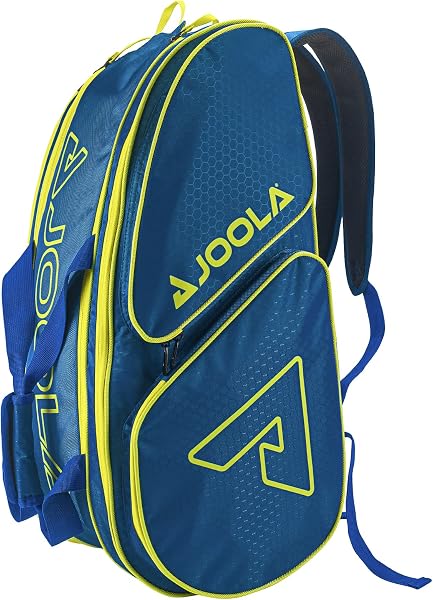
JOOLA Tour Elite Pro Bag
★ 4.6 · 152 Amazon reviewsTour-level bag with dedicated paddle storage.
Do pickleball paddles need to be broken in?
Many honeycomb paddles, especially thermoformed models, feel slightly different after the first few hours of play. Some players notice they get a little more lively. This is often called the break-in period. Foam-core paddles like the CRBN Genesis are designed to need no break-in, playing the same from the first hit.
How often do pros replace their paddles?
Professional players hit far more balls than recreational players and need total consistency, so they often replace paddles much more frequently, sometimes every few weeks or months. Most also carry identical backups. Recreational players do not need to replace paddles nearly that often.
Lifespan of the most expensive paddles
The paddles in our ranking of the most expensive pickleball paddles are built to last longer than budget options, but none are indestructible. Here is what to expect:
| Paddle | Construction | Expected durability |
|---|---|---|
| JOOLA Pro V | Raw carbon, KineticFrame | High with good care |
| CRBN TruFoam Genesis | 100% foam core | Very high, designed to avoid core crush |
| Selkirk LUXX Control | Florek carbon | High |
| Paddletek Bantam TKO-CX | Thin honeycomb core | Good; thin cores work hard |
A simple paddle care routine
A few minutes of care each week can add months to your paddle’s life.
After every session
- Wipe the face with a dry or slightly damp microfiber cloth to remove dust and ball residue.
- Check the edge for new chips or cracks.
- Put the paddle back in its cover before it goes in your bag.
Every week
- Clean the face more thoroughly with a paddle eraser if your paddle has a raw carbon surface.
- Check the grip. If it feels slick or flattened, add a new overgrip.
- Do a quick knuckle-tap test across the face to listen for changes in sound.
Every month
- Inspect the paddle in good light for hairline cracks, bubbles or separation along the edge.
- Compare it with how it felt when new. If spin or control has clearly faded, start planning a replacement.
Seasonally
- In summer, be extra careful about heat in cars and at outdoor courts.
- In winter, let a cold paddle warm up before hitting hard.
Keep a backup paddle
If you play regularly, having a second paddle of the same model is useful. It means a damaged paddle never ends your session, and alternating paddles spreads wear across both.
Should you replace your paddle or just the grip?
Before buying a new paddle, check whether a quick fix will do. A worn grip, a slightly chipped edge or a dirty face are all easy to solve. Replace the paddle if the core feels dead, the face is cracked, there is rattling, or spin has clearly faded even after cleaning.
When you do need a new paddle
When it is time to upgrade, use it as a chance to reassess your game. Has your style changed from control to power? Would a foam core suit you better? Our guides can help:
- The 10 most expensive pickleball paddles worth buying
- Best paddles for advanced players
- Best paddles under $300
- How much a pickleball paddle costs
Is it legal to keep playing with a damaged paddle?
For recreational play, it is your call, though a cracked paddle can behave unpredictably and may break further. In sanctioned tournaments, a paddle with damage that alters its surface or structure may not meet approved specifications. If you compete, replace a visibly damaged paddle before your next event.
The bottom line
Most pickleball paddles last 6–12 months with regular play. Budget paddles wear out faster; premium carbon and foam-core paddles last longer. Watch for dead spots, lost spin, cracks and rattling, and protect your investment with a cover, a good bag and a little care. A well-chosen premium paddle can stay consistent long enough to be one of the best-value purchases in your kit.
Key takeaways
- Most paddles last 6–12 months with regular play.
- Foam-core and premium carbon paddles tend to last longer than budget paddles.
- Dead spots, lost spin, cracks and rattling are clear signs to replace a paddle.
- Heat is one of the biggest threats, so never leave a paddle in a hot car.
- A cover, a padded bag and gentle cleaning add months to a paddle’s life.
Recording your paddle’s age
Write down the date you start using a new paddle. It makes it easier to judge whether performance changes are normal wear and helps with warranty claims.
Final thoughts on paddle lifespan
Check your paddle every few weeks, look after the face and edges, and replace it as soon as it stops playing consistently.
Frequently Asked Questions
How often should you replace a pickleball paddle?
Regular players usually replace their paddle every 6–12 months. Casual players can go much longer.
Do pickleball paddles wear out?
Yes. The core can suffer core crush, the face texture wears smooth and the edge and grip degrade over time.
What is core crush?
Core crush is when the honeycomb core compresses or breaks, creating dead spots or unexpectedly hot spots on the paddle.
Do foam pickleball paddles last longer?
Foam-core paddles are designed to resist core crush and stay consistent longer than many honeycomb paddles.
Does heat damage pickleball paddles?
Yes. Leaving a paddle in a hot car can weaken adhesives and affect the core. Keep it out of extreme heat.
How long do expensive pickleball paddles last?
Premium carbon paddles typically last 6–12+ months of regular play, and foam-core models can last 12–18 months or more.